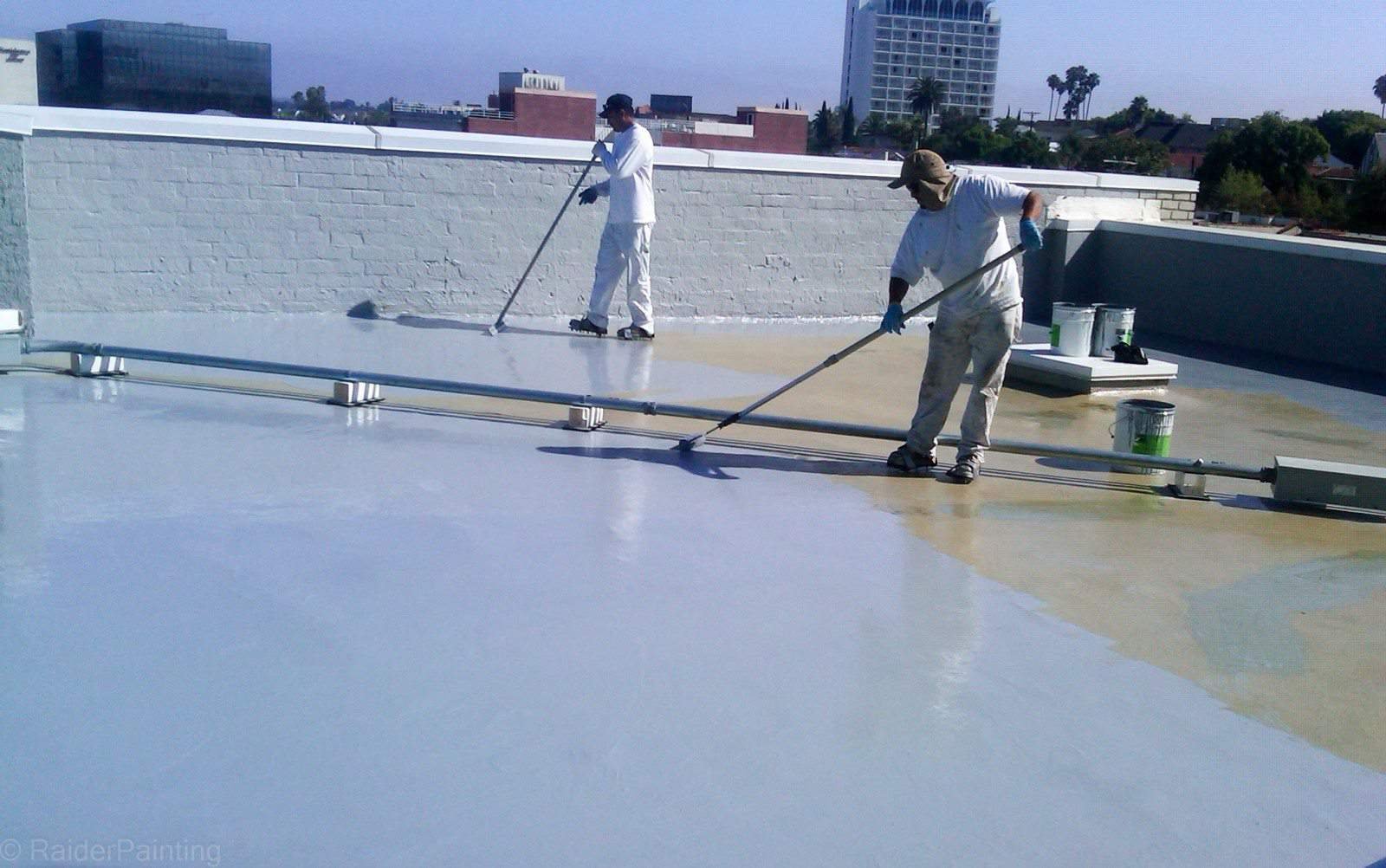
Waterproofing Works
Waterproofing Works
1. Bituminous (Asphalt) Waterproofing
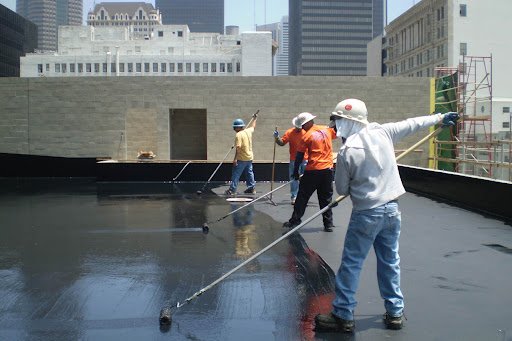
Where used: Roofs (low-slope), basements, terraces.
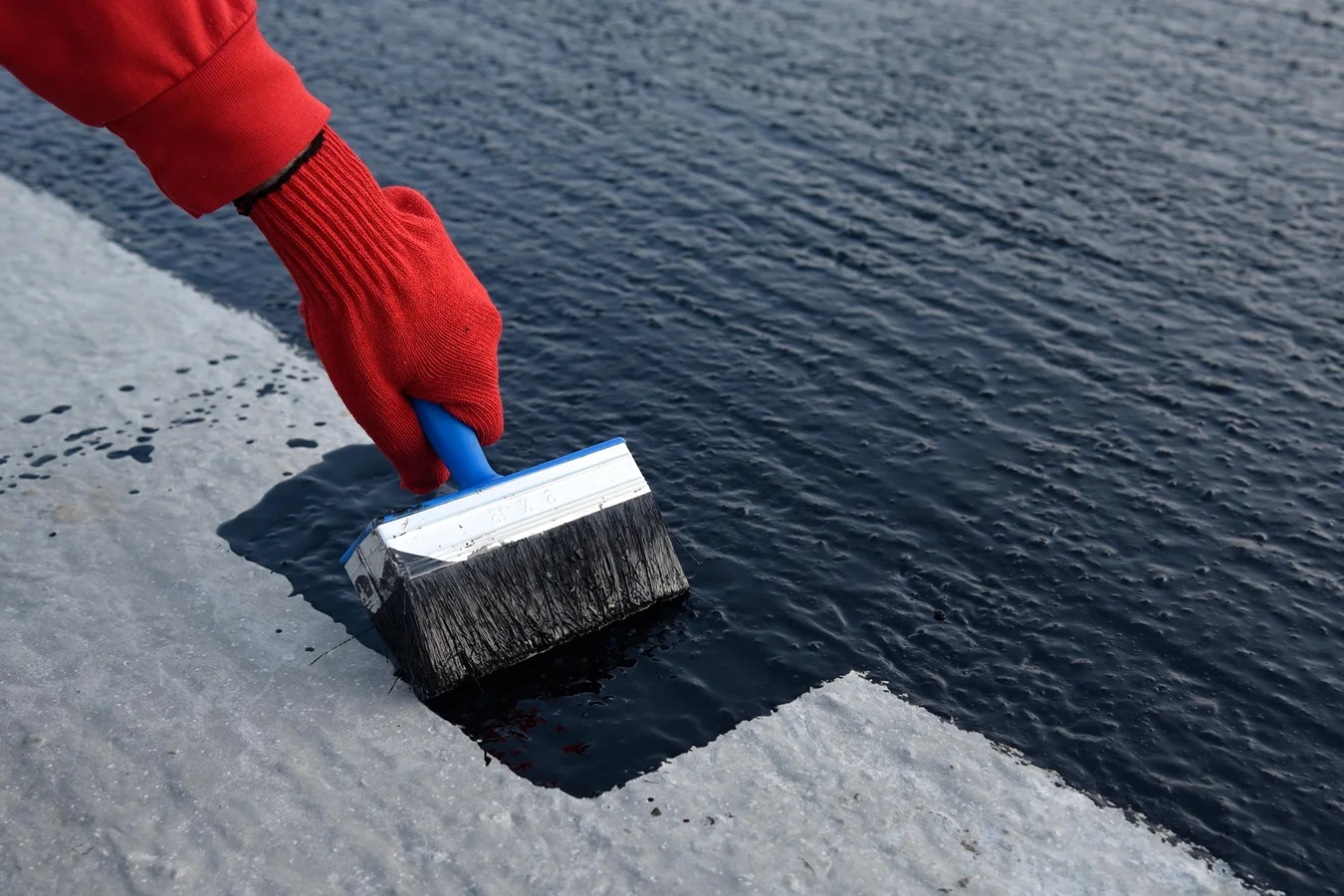
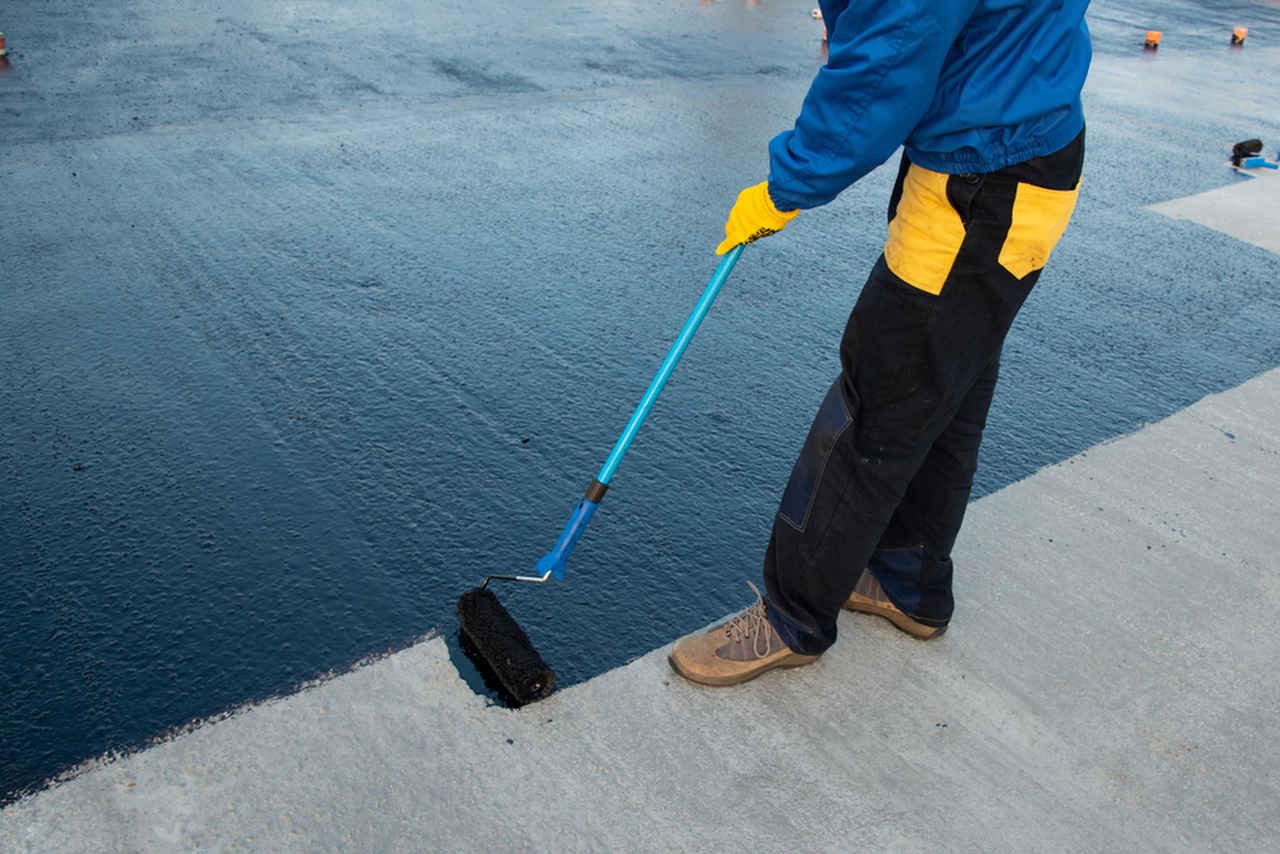
Materials: Bitumen membranes (torch-applied or self-adhesive), liquid bitumen coatings.
Pros: Proven, cost-effective, good for large flat roofs.
Cons: Can be sensitive to UV (needs protection), fumes during application (torch risk), not very elastic unless modified.
2. Cementitious Waterproofing
Where used: Basements, water tanks, bathrooms, balconies, internal wet areas.
Materials: Cement-based mortars and coatings (polymer-modified cementitious mixes).
Pros: Easy to apply, good for horizontal/vertical surfaces, bonds well to concrete.
Cons: Limited elasticity (can crack with structural movement); best for non-structural cracks unless flexible additives used.
3. Liquid Membrane Waterproofing (Polyurethane / Acrylic / Polyurea)
Where used: Roofs, terraces, bathrooms, decks, balconies, containment areas.
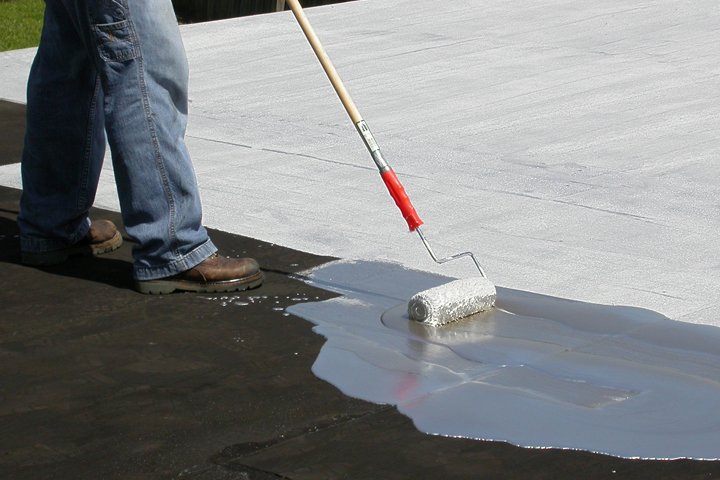
Materials: Two-component polyurethanes, single-component moisture-cure polyurethanes, acrylic elastomeric coatings, polyurea spray elastomers.
Pros: Seamless, flexible, good UV resistance (depending on type), can bridge hairline cracks, easy to detail around penetrations.
Cons: Surface prep critical, some types sensitive to moisture during application, cost varies (polyurea often expensive).
4. EPDM & PVC Rubber Membranes (Synthetic Elastomeric Membranes)
Where used: Low-slope roofs, podiums, green roofs, pond liners.
Materials: EPDM (rubber), PVC, TPO.
Pros: Durable, highly elastic, UV resistant (EPDM), available in wide sheets → fewer joints.
Cons: Seaming detail critical, may require ballast/cover, specialist installation.
5. Crystalline Waterproofing (Integral or Applied)
Where used: Concrete structures, basements, tunnels, water tanks.
Materials: Crystalline admixtures added to concrete or crystalline coatings applied to hardened concrete.
Pros: Becomes part of concrete, self-sealing of hairline cracks when exposed to water, long-term durability.
Cons: Works only with concrete substrates; effectiveness depends on correct application and concrete permeability.
6. Bentonite / Clay Waterproofing
Where used: Below-grade foundations, basements, earth-retaining structures, tunnels.
Materials: Sodium bentonite panels or powdered bentonite hydration layers.
Pros: Swells with water to form a seal, good for foundation envelopes, non-toxic.
Cons: Sensitive to chemical contamination, requires protection layer, not suitable where prolonged dry/wet cycles may desiccate.
7. Sheet Membranes (Thermoplastic, Bitumen, Rubber)
Where used: Roofs, foundations, balconies, green roofs.
Materials: Modified bitumen sheets, PVC/TPO sheets, EPDM sheets.
Pros: Factory-made uniform thickness, reliable performance when installed properly.
Cons: Seams must be correctly joined, can be punctured without protective topping.